UNIT4U
Run a whole tenancy from one app

About Unity Housing Estate
Unity Housing Estate is a UK landlord that commissioned Unit4U to run its tenancies. Like most smaller landlords, it juggled tenants, units, rent and compliance across texts, notes and spreadsheets, with tenants chasing repairs by email.
Objectives
- Take a UK tenancy out of email, spreadsheets and phone tag.
- Serve landlord and tenant from one schema, with almost no overlap in what each can see or do.
- Give tenants rent, photo repair reporting, and a status they can actually track.
- Give landlords the portfolio, approvals, rent statements and KPIs.
- Track every compliance certificate against its expiry and alert before it lapses.
The Challenge
Smaller landlords juggle tenants, units and admin across texts, notes and spreadsheets. Tenants chase repairs by email and never learn what happened. It doesn't scale past a handful of units, and things fall through the cracks in both directions, including compliance certificates whose renewal is a legal matter rather than an inconvenience.
The Solution
One app serves both sides of the tenancy from opposite ends. A landlord approves a repair in a tap; the tenant watches that same repair move from submitted to resolved. Every certificate, from gas safety to EICR to EPC, is tracked against its expiry, so compliance becomes a notification instead of an annual scramble.
Landlord and tenant share one schema but see almost disjoint slices of it, so access is scoped by role at the API: the same repair record renders as an approve action for the landlord and a read-only status for the tenant. Compliance certificates are modelled with their own expiry dates, and a scheduled check raises an alert before each one lapses rather than waiting to be looked up.
A tenancy lived in email, spreadsheets and phone tag
Smaller landlords juggle tenants, units and admin across texts, notes and spreadsheets. Tenants chase repairs by email and never learn what happened. It doesn't scale past a handful of units, and things fall through the cracks in both directions.
One app, two very different users
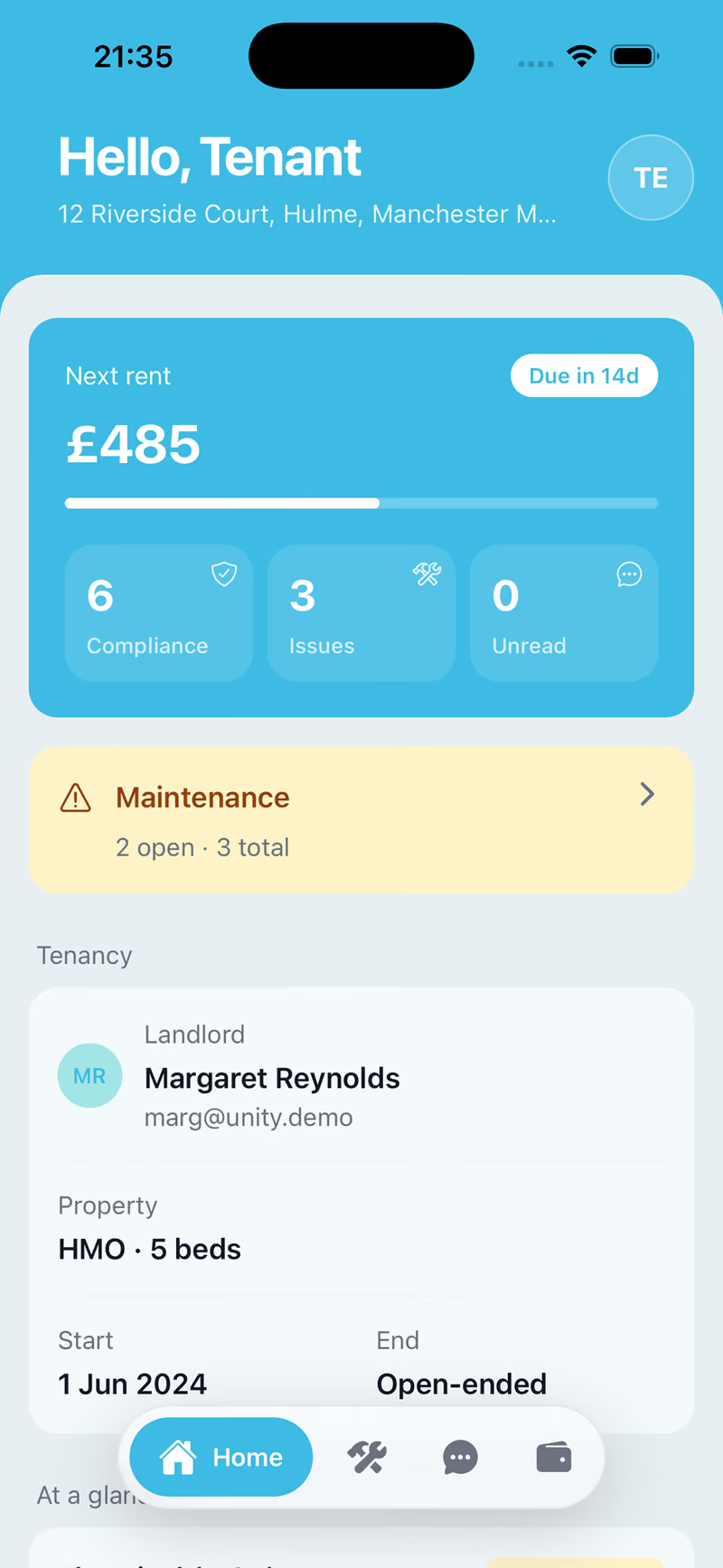
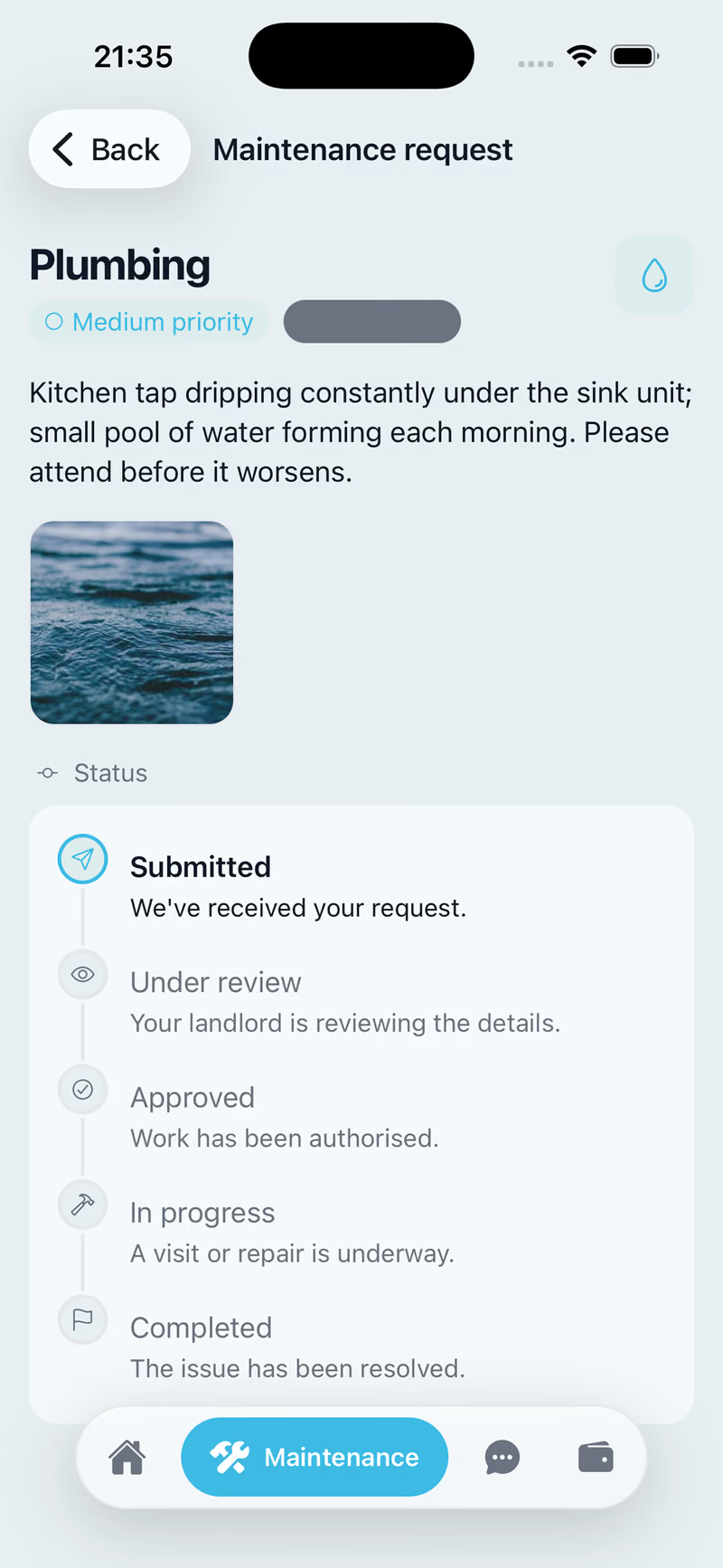
Landlord and tenant see the same tenancy from opposite ends, so the hard part isn't the data model. It's that one schema has to serve two roles with almost no overlap in what they're allowed to see or do. A landlord approves a repair in a tap; a tenant watches that same repair move from submitted to resolved.
- Landlord: portfolio, approvals, rent statements, KPIs
- Tenant: rent due, repair reporting with photos, status
- Direct messaging with read receipts, replacing the email chase
Sharing one schema keeps landlord and tenant looking at the same record, so a repair can't say one thing to one side and another to the other. The cost is that every read and write has to be scoped by role, there's no screen that gets to just trust the data it's handed.
The compliance deadlines a landlord can't miss
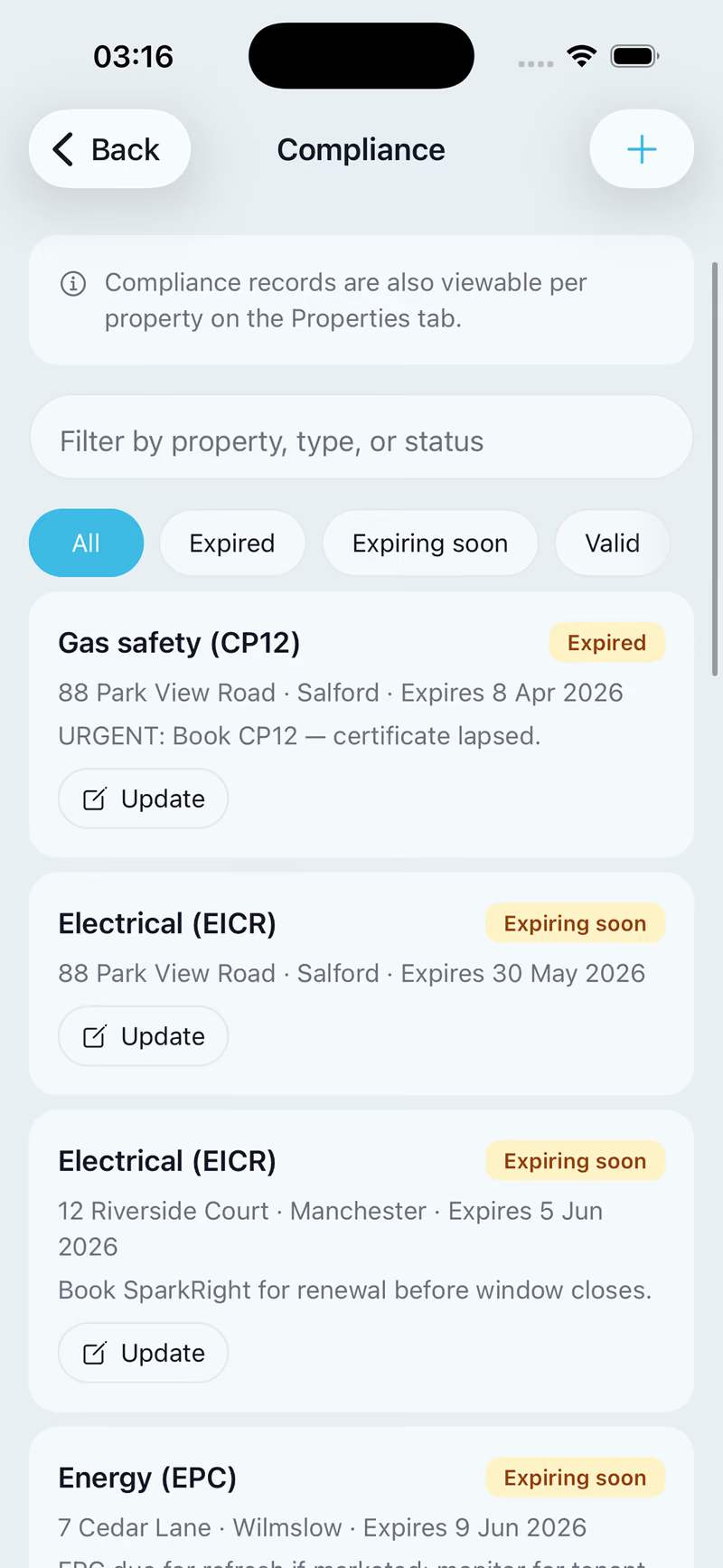
Gas safety, EICR, EPC, fire alarm, legionella, PAT: each has its own renewal clock, and missing one is a legal problem rather than an inconvenience. The app tracks every certificate against its expiry and alerts before it lapses, so compliance is a notification instead of an annual scramble.
Technologies
Conclusion
Unit4U is live on the App Store, giving a landlord and their tenants the same view of a tenancy: rent, repairs and compliance deadlines in one place, instead of scattered across email and spreadsheets.
Have a project in mind? Let's talk