The CRM
One system to run an entire agency

About Centauri Media
Centauri Media is a creative agency with two sides: a marketing arm (influencer and UGC campaigns, social content, brand and print design) and a software solutions arm (websites, mobile apps, AI automation and CRM builds). It grew from a three-person startup into a 20-plus person team in a couple of years, and the inboxes and spreadsheets it ran on stopped keeping up with the work.
Objectives
- Replace scattered inboxes, spreadsheets and tribal knowledge with one system the whole agency runs on.
- Model both sides of the business in one place: the marketing work (leads, clients, shoots, talent, content) and the software delivery (projects and tasks).
- Give each team a focused view on that shared data, from a lead pipeline to production scheduling to a client portal.
- Take the repetitive admin off people's plates with automations and AI.
- Control access with role-based permissions as the team grew.
Results
The Challenge
Leads lived in inboxes, finances in spreadsheets, and shoot schedules and delivery status in people's heads. Nothing joined up across the two sides of the agency, marketing and software, so nothing could be trusted, reported on, or automated. Growth was multiplying the chaos rather than the output, and the company needed a single source of truth before it could scale any further.
The Approach
The core decision was to build around one model, not one screen at a time. Everything the agency does, across both arms, had to live in a single schema, so the real work was getting that shape right before any interface sat on top of it. Once the model held the whole business, each team's view became a focused read of the same records, and reporting and automation stopped being integrations and became almost free.
The Solution
The whole agency is modelled as one database, with focused surfaces built on top: a lead pipeline, production and shoot scheduling, talent management, a software-projects board, finance and billing, and a client portal. Because every view shares one source of truth, reporting and automation came almost for free, and AI could be layered onto the work that used to eat hours by hand.
Built on Next.js and Supabase, with the whole agency modelled as one database and role-based access controlling what each team sees. The repetitive work, capturing enquiries, syncing between tools, publishing on a schedule, runs as background automations rather than by hand, and an AI pipeline drafts content in the CMS.
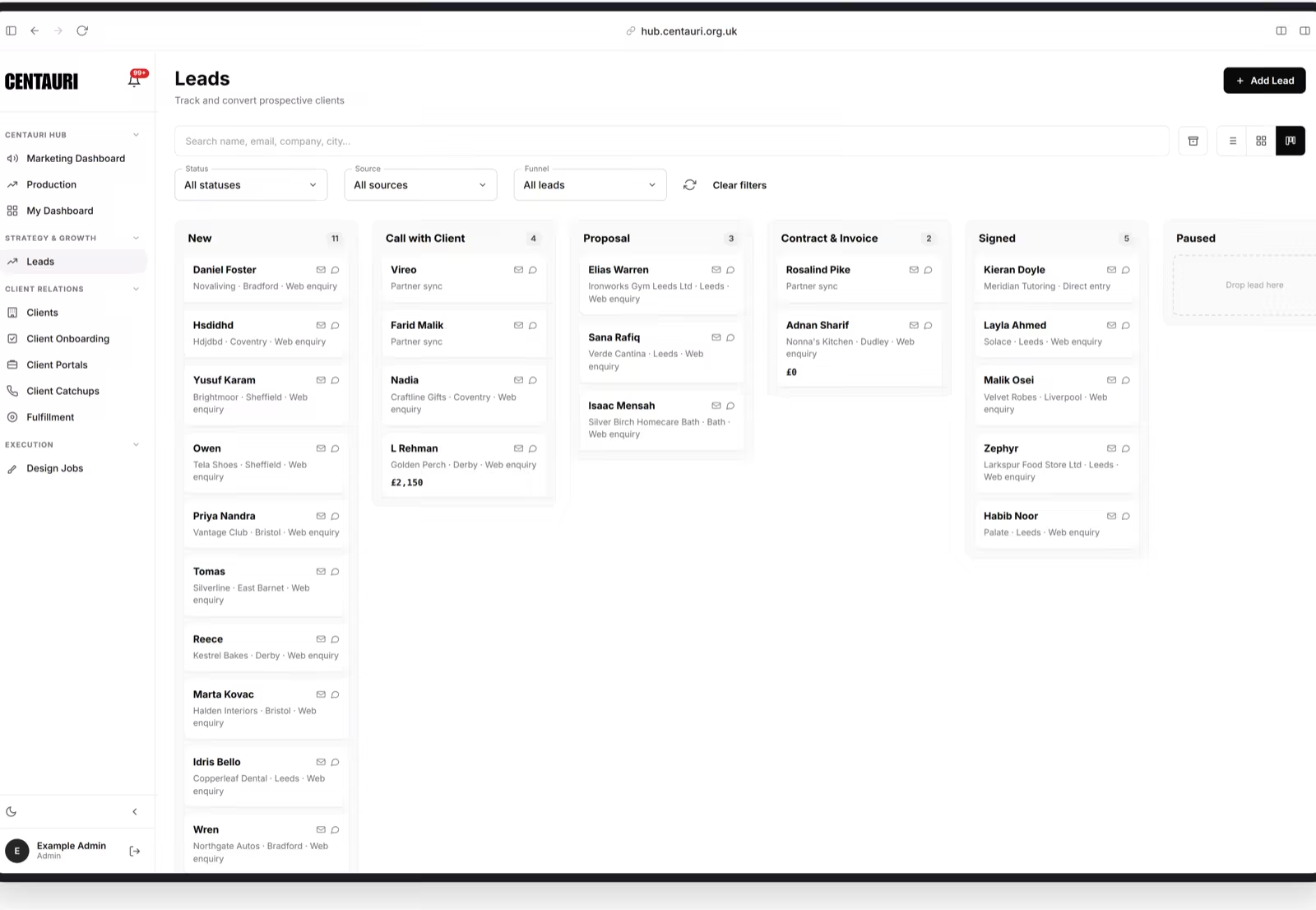
Every lead, first touch to signed
New enquiries land on a board that runs left to right, from a first touch through a call, a proposal and a signed contract. They come in from the website's booking funnel, a nightly sync with the agency's outreach tool, and referrals from existing clients, instead of scattered across inboxes. Move a lead to signed and it becomes a client: the onboarding checklist, the shared drive folder and the billing record are created with it.
- Enquiries from the website funnel, outreach sync and referrals, on one board
- Dragged across the pipeline, first touch to signed
- Converting a lead spins up the client, onboarding and drive folder
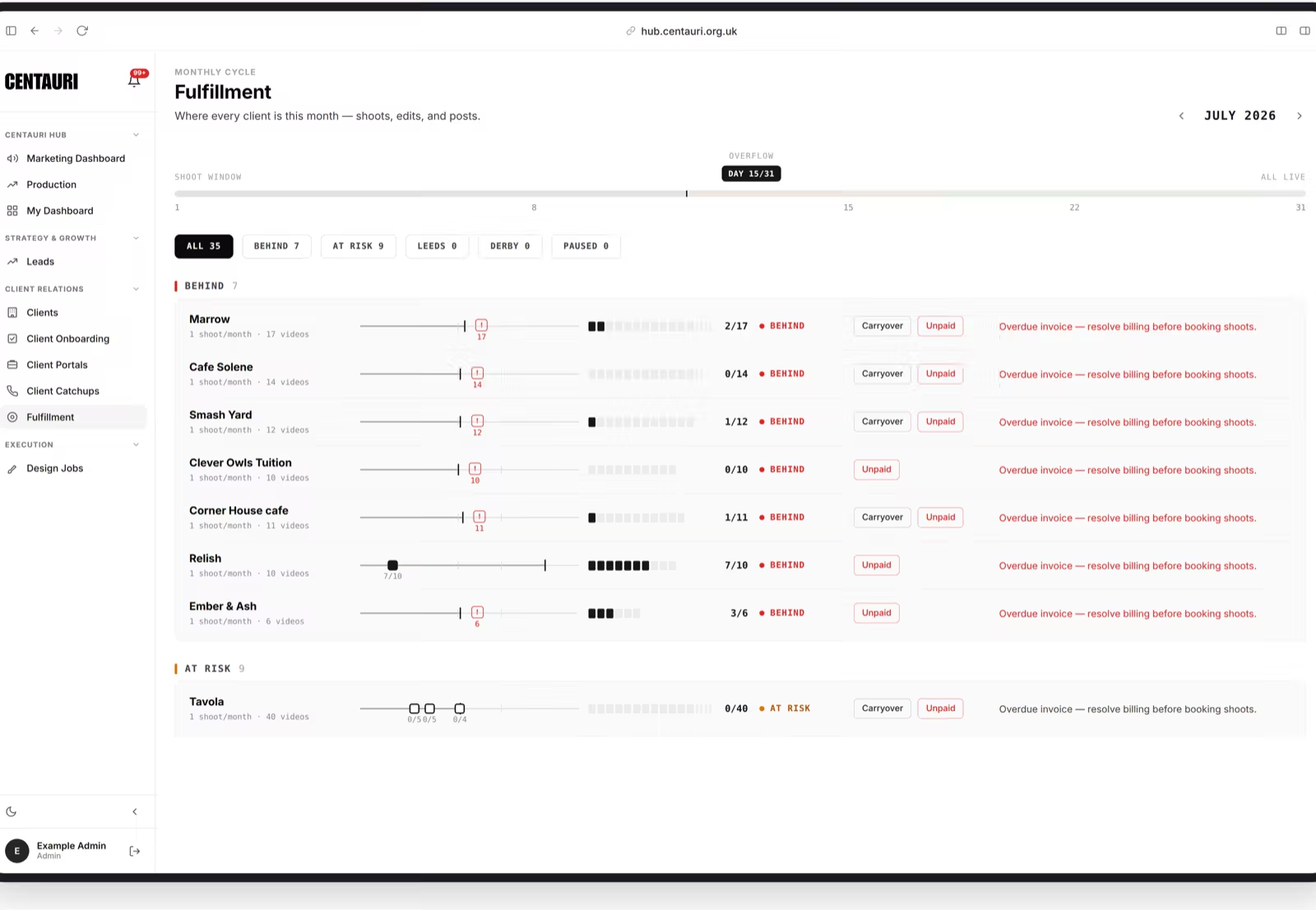
Delivery and billing, joined up
Each client runs on a monthly cycle tied to their contract, and this view shows where every one of them stands, on track, at risk or behind, with last month's shortfall carried into this one. Because it reads the same records as billing, a client with an overdue invoice is flagged in place with a single instruction, resolve billing before booking more shoots, so delivery and money stop being two systems that quietly disagree.
- Every client's month at a glance: on track, at risk or behind
- Last cycle's shortfall carries into the next automatically
- An overdue invoice flags the client and holds new bookings
Joining delivery and billing in one model is the whole point, and also its cost: the two move together, so changing how the cycle is shaped touches both. The upside is a view the team can trust; the price is that no part is ever fully independent of the rest.
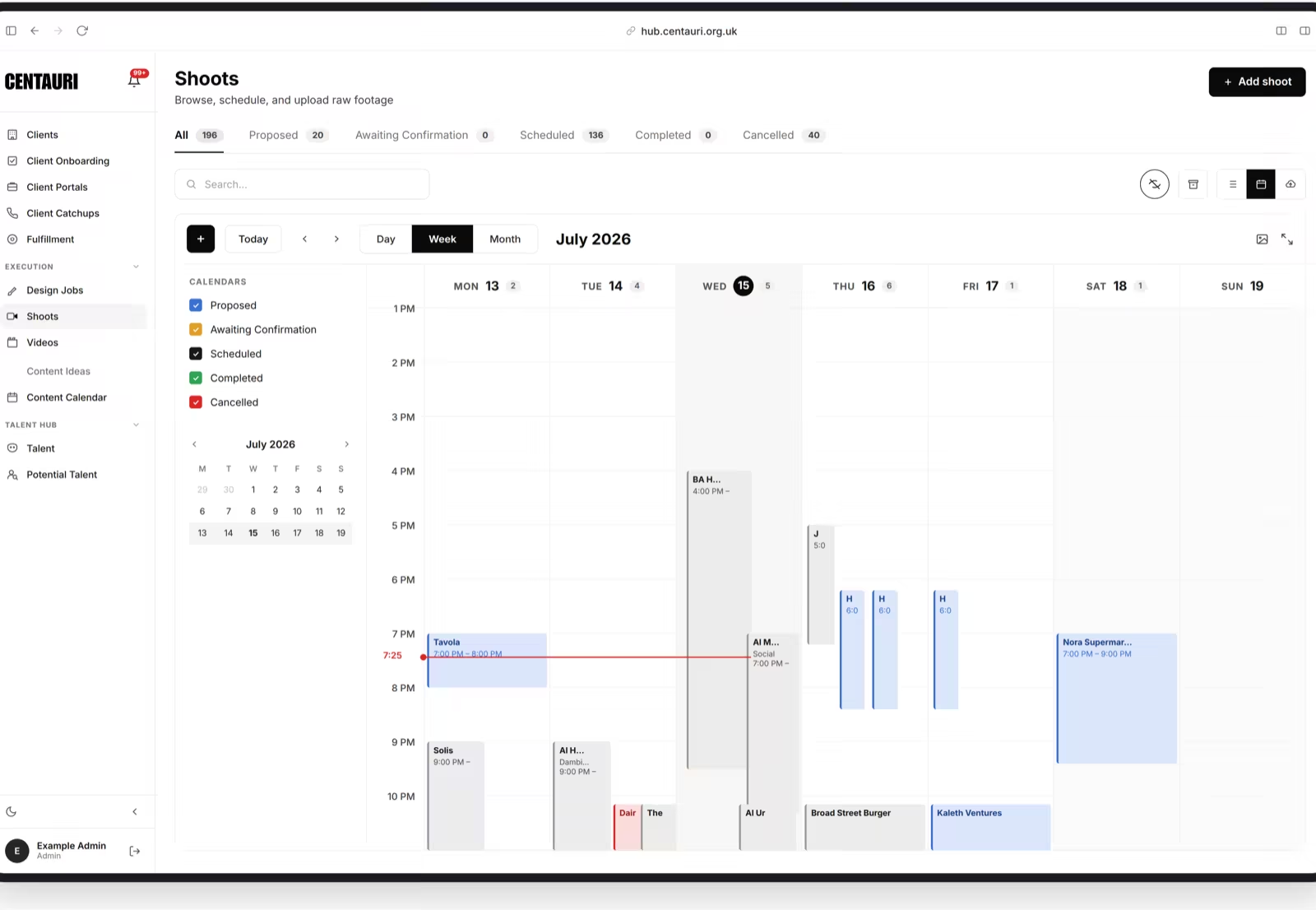
The month's shoots on one calendar
Shoots move from proposed to confirmed to shot on a shared calendar, each tied to the client it's for and the talent it needs. The talent gets a text to confirm, and raw footage uploaded afterwards lands straight in that client's folder, so nothing is chased over message or left sitting on someone's phone.
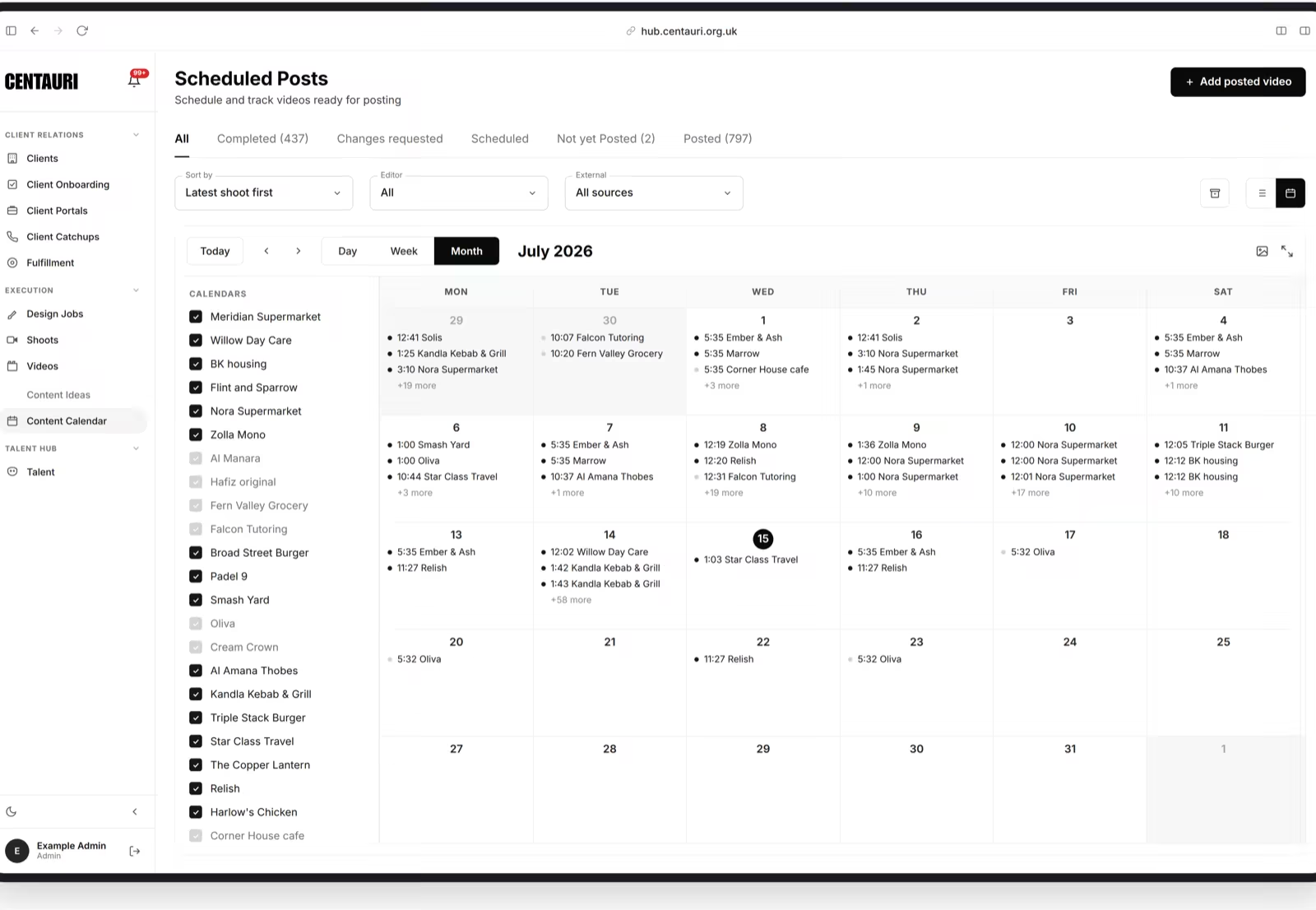
Every client's posting schedule in one place
Once a video is edited and approved, it moves through review to scheduled to posted, and this calendar lays out every client's posts across the month. Filter to a single brand or see them all at once, so the team knows what's going out, when and for whom, without a spreadsheet per client.
A portal clients log into
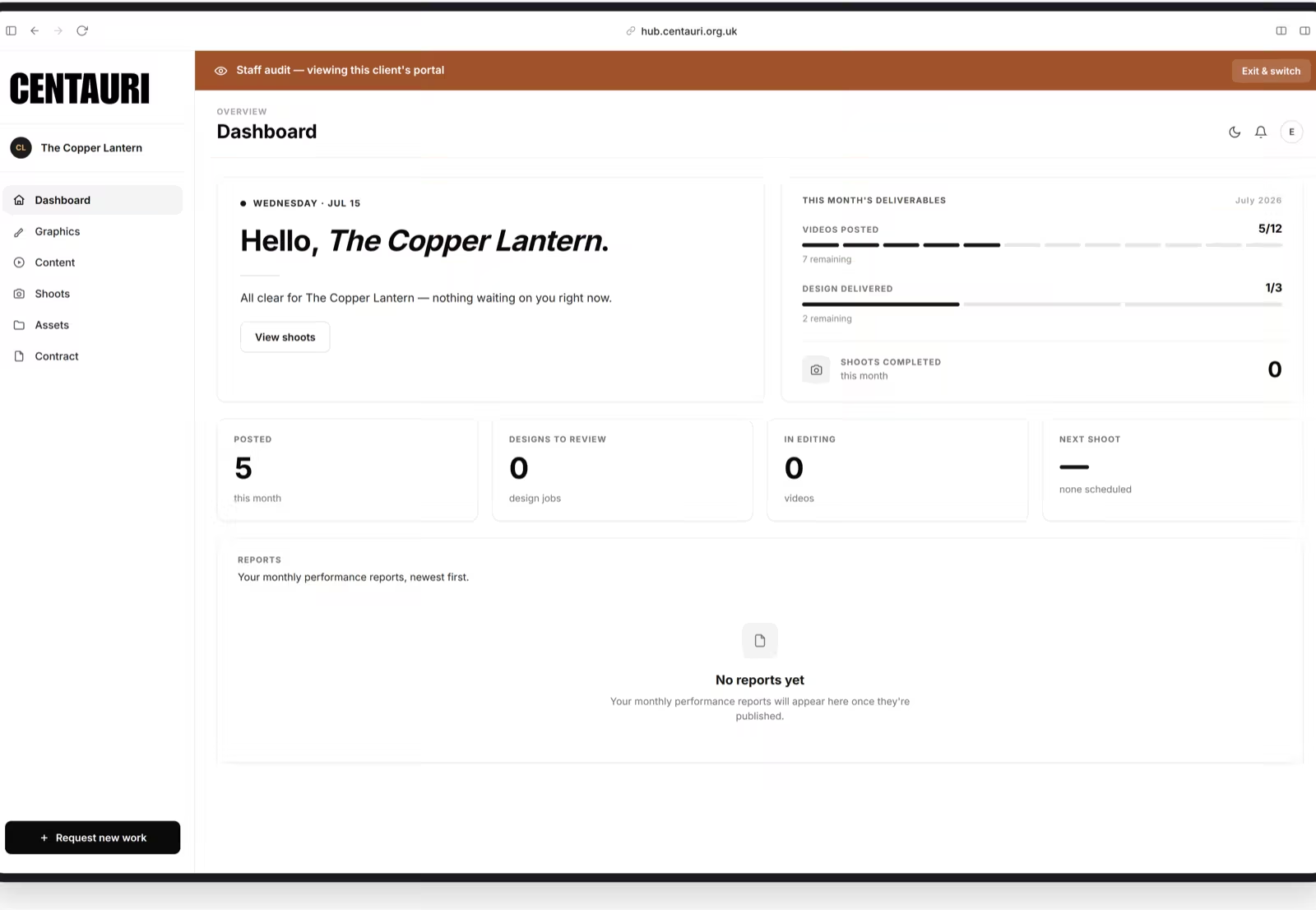
Clients get their own login: a dashboard of this month's deliverables against what their contract covers, their content, shoots, assets and contract in one place, and a button to request new work. Staff can drop into any client's portal to see exactly what the client sees, behind a clear banner that says so.
- This month's deliverables measured against the client's contract
- Clients request new work themselves
- Staff can view a client's portal, always behind an audit banner
Technologies
Conclusion
What started as a fix for spreadsheet sprawl became the system the agency runs on day to day, and a direct contributor to over £30k of new project revenue in its first six months. One shared model turned scattered work across both sides of the business into something the team could trust, report on, and automate as it kept growing.
Have a project in mind? Let's talk