Heritage Tiles
See any tile in your own room, before you buy

About Heritage Tiles
Heritage Tiles is a family-led tile and stone supplier, based in Leicester and selling since 1989: artisan zellige, ceramic, porcelain and natural stone for homes, studios and commercial spaces across the UK. By its own account it works with 50-plus Italian factory partners and has supplied over a thousand residential and commercial projects, all from a showroom it still runs today.
Objectives
- Put a 37-year showroom online as a browsable catalogue the team can run without a developer.
- Let buyers see a chosen tile in a photo of their own room, not just a swatch.
- Help them work out how much a room needs, then enquire, rather than guess.
- Keep the site fast and editorial, matching a considered, high-value purchase.
The Challenge
A tile is chosen from a small sample and then lives across a whole floor or wall, so the hardest part of selling one online is the imagination gap: a swatch on a screen tells you almost nothing about how a material reads across a real room, in real light. And the range changes constantly, new collections, colours and finishes, so the catalogue can't be something only a developer can update.
The Approach
The decision that shaped the build was to close the imagination gap with generation, not a gallery. Rather than photograph every tile in every setting, the visualiser takes the buyer's own room photo and asks an image model to install the chosen tile into it, so the preview is of their space, not a stock one. Everything else, the catalogue and its taxonomy, was built to be the client's to run, so the site keeps pace with the showroom without a deploy.
The Solution
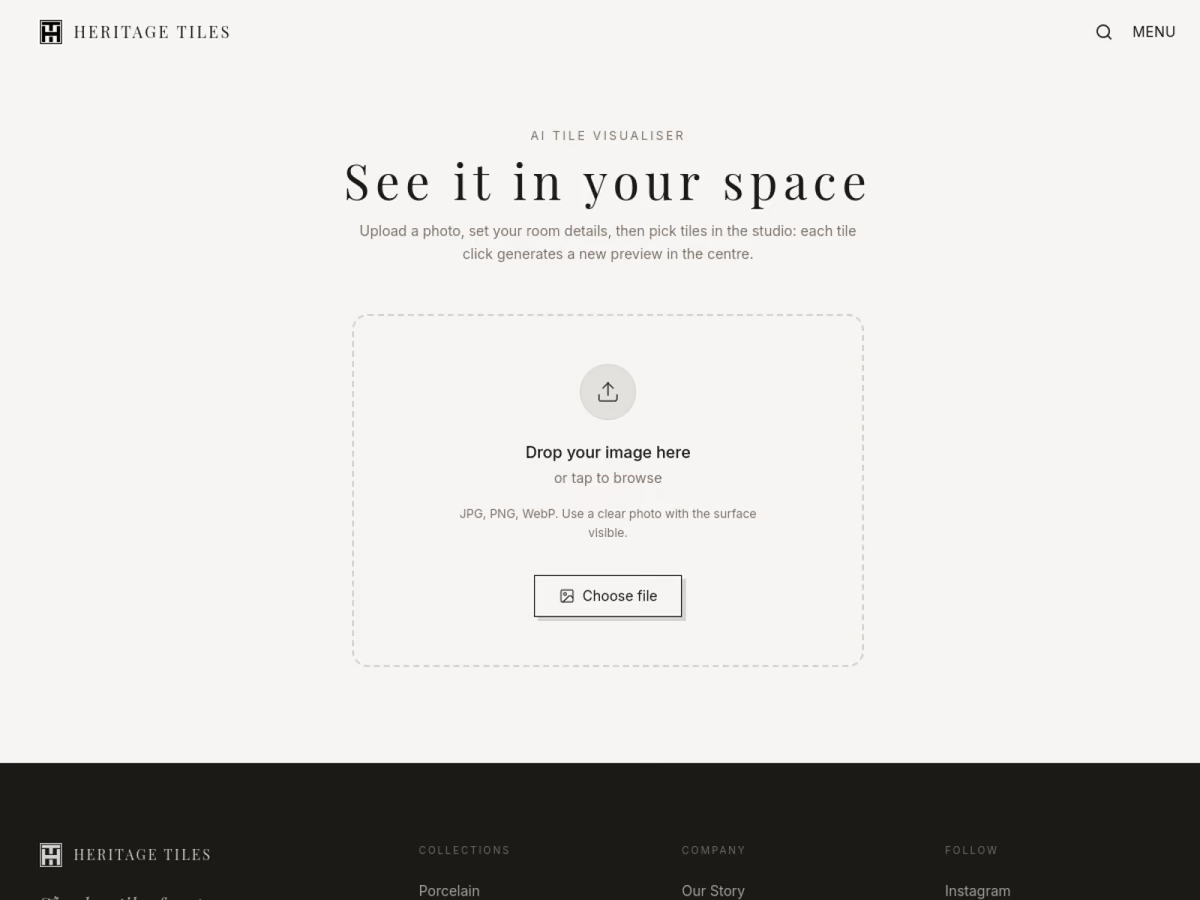
Browse the range by material, colour or finish, open a tile to work out how much a room needs, then enquire, because buying tile is a considered purchase, so the site converts to a conversation, not a cart. At the centre of it is the AI visualiser: upload a photo, set the surface, its dimensions, the layout and the grout, pick a tile, and a generated preview shows it in place, with a refine step to nudge the result.
A Vite and React front end with a Supabase-backed CMS: the client adds products, collections, images and colours from an admin area, so the catalogue is theirs to change. The visualiser posts the room photo and the tile's real attributes (material, size, finish, layout pattern and grout) to Google's Gemini image model and returns a composited preview, with a second pass to refine it. GSAP and smooth scrolling carry the editorial feel, and an enquiry is delivered straight to the showroom's inbox.
See a tile in a photo of your own room
A swatch can't tell you how a material will read across your floor, in your light. The AI visualiser closes that gap: upload a photo of the room, set the surface, its dimensions, the layout pattern and the grout colour, then pick a tile, and a generated image shows it installed in your space. Not right? A refine step nudges the result until it looks like the room you're standing in.
- Upload your own room, not a stock scene
- Surface, dimensions, layout and grout all feed the render
- A refine step iterates until the preview looks right
The preview is generated, not measured: it shows how a tile reads in the room, not a millimetre-accurate spec, so it points a serious buyer on to a real sample rather than replacing one. That trade is deliberate, an honest impression converts better than a perfect render nobody would quite believe.
A catalogue the showroom runs itself
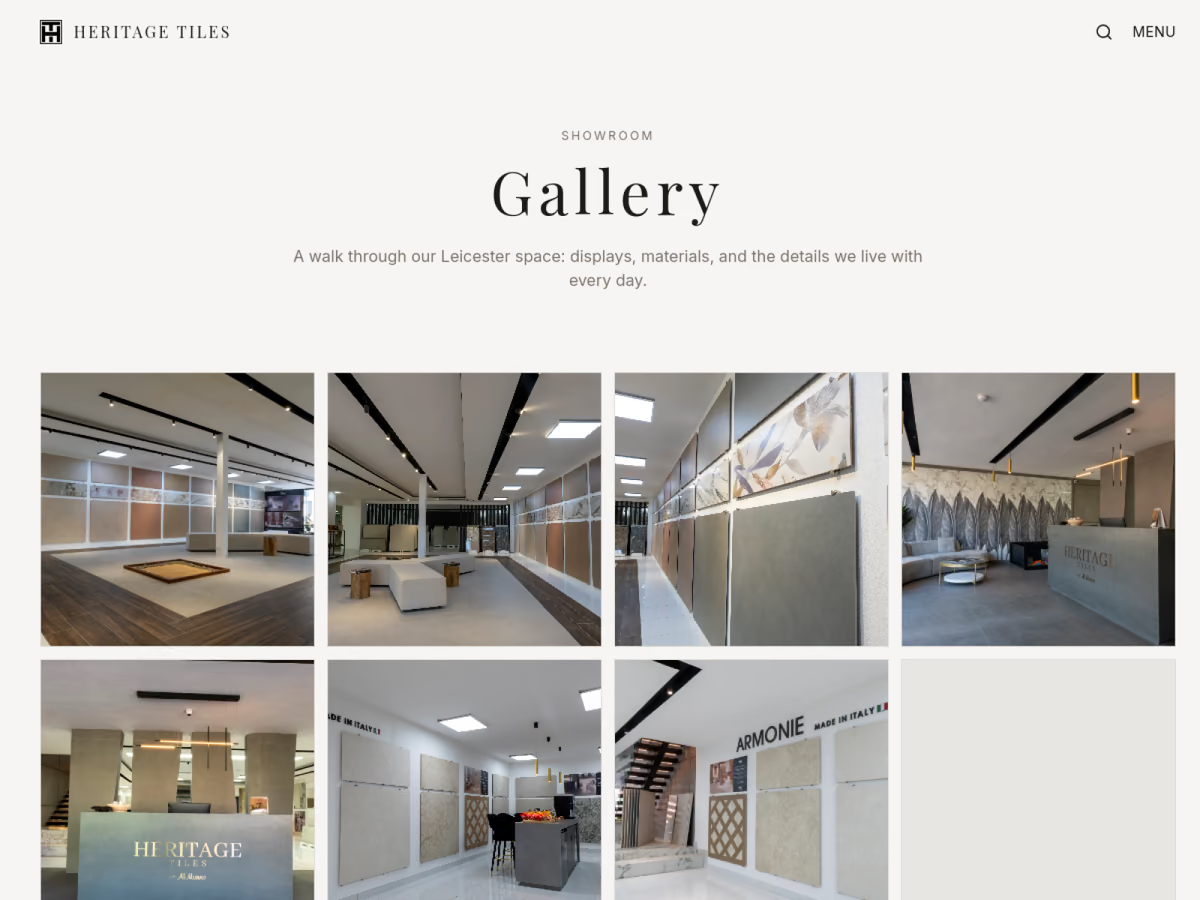
New ranges land all the time, so the catalogue can't be hard-coded. Products, collections, images, colours and coverage live in a CMS the client signs into and edits, and the site reads from it, searchable by name, material or colour. Adding a tile is a form, not a deploy, so the site stays as current as the showroom floor.
- Products and taxonomy managed from an admin area
- Searchable by name, material or colour
- No developer needed to change the range
A 37-year house, brought online
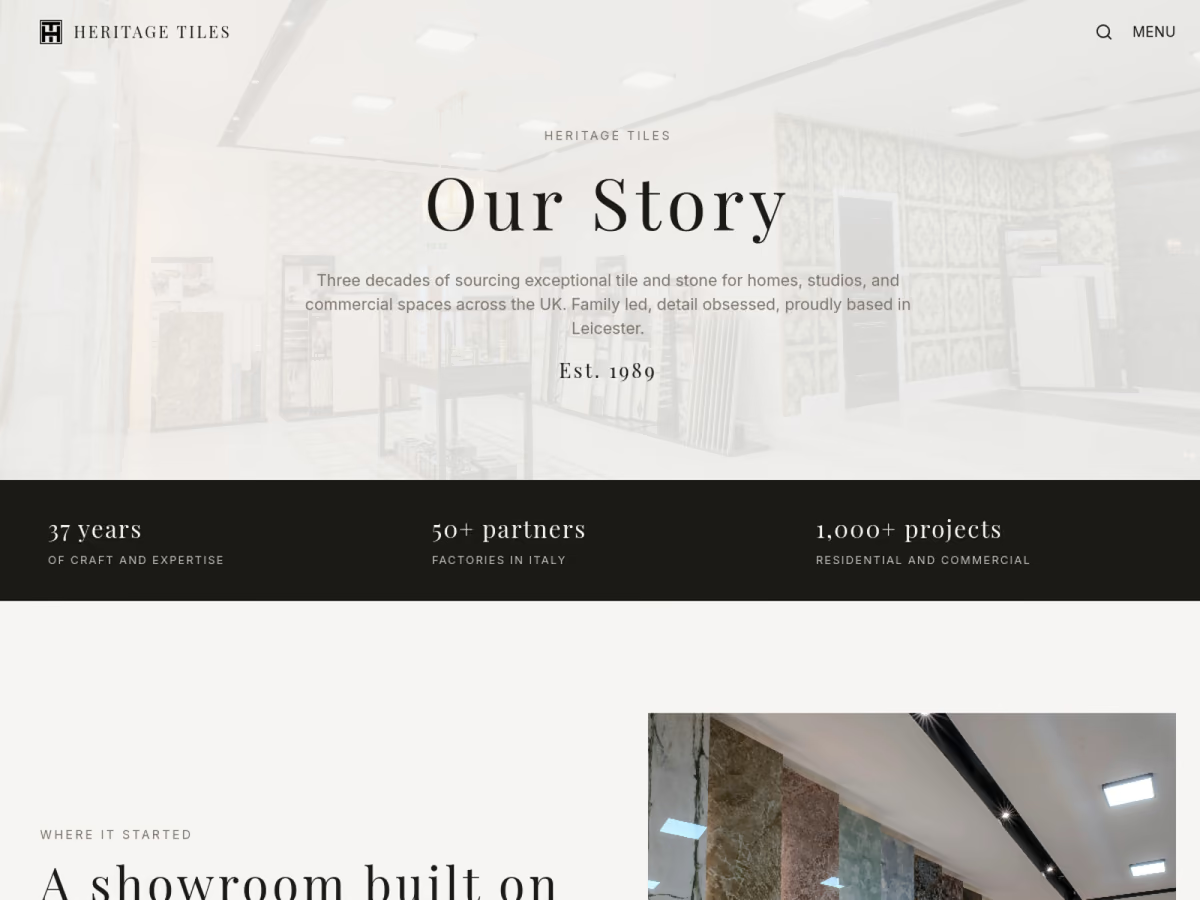
Heritage Tiles has sold tile and stone from its Leicester showroom since 1989, sourced from Italian factories, into more than a thousand homes and projects. The site is built to carry that, editorial and unhurried, and to keep buying the way tile is actually bought: browse, work out the coverage, and enquire, rather than drop a floor's worth of porcelain into a cart.
Technologies
Conclusion
The result is a showroom that works online the way it works in person: you can see a tile in your own room before you buy one, the team keeps the range current without calling a developer, and a serious enquiry lands in the right inbox. A 37-year business online, without losing what made the showroom worth visiting.
Have a project in mind? Let's talk